



Table of Contents
- What Maximalist Fashion Trends Actually Mean in 2026
- The Key Elements of Maximalist Dressing
- Maximalist Wardrobe Essentials Worth Investing In
- Mixing Patterns and Textures Without the Chaos
- How to Style Maximalist Outfits for Any Occasion
- Current Maximalist Fashion Trends Shaping the Season
- Common Mistakes Maximalist Dressers Make (and How to Avoid Them)
- Conclusion
Last Updated: 27 August 2026
What Maximalist Fashion Trends Actually Mean in 2026
Maximalist fashion trends are a design philosophy and styling approach built on the principle that more is more: layered textures, clashing prints, bold silhouettes, and unapologetic ornamentation worn together with intention and confidence. Far from random excess, maximalism is a deliberate curation of abundance.
At Savoir, we've watched the conversation around maximalist fashion trends shift decisively over the past few seasons. This is no longer a niche provocation or a runway novelty. It has become the dominant visual language for anyone who finds minimalism emotionally cold and commercially forgettable.
The conventional wisdom used to be that restraint signals sophistication. That take is increasingly dated. According to Vogue's fashion trend analysis, dressing with volume, colour, and layered detail has moved firmly into the mainstream, with statement dressing appearing across every price point and cultural context. The appetite for expressive, joyful clothing has only grown.
What makes 2026's version of maximalism distinct is its editorial precision. This is not about throwing everything at an outfit and hoping for the best. The maximalist dressers who look genuinely stunning are the ones who understand which elements to amplify and which to anchor. Below, we break down exactly how to do that.
The Key Elements of Maximalist Dressing
Most guides get this wrong because they treat maximalism as a mood rather than a method. There is a structure to it. Understanding the building blocks is what separates a look that reads as intentional from one that reads as chaotic.
The core elements of maximalist dressing are:
- Colour saturation: Rich, deep, or clashing hues rather than neutrals
- Layered ornamentation: Embellishment on top of embellishment (sequins over lace, frills on brocade)
- Volume and dimension: Puffed sleeves, tiered skirts, oversized silhouettes
- Pattern mixing: Florals with stripes, animal print with geometric, plaid with abstract
- Textural contrast: Velvet against organza, satin against tweed
The key is contrast within abundance. Every great maximalist outfit has at least one element that grounds it, whether that is a clean, unembellished shoe, a solid-colour base layer, or a simple bag. Without that anchor, the eye has nowhere to rest.
Texture Over Simplicity
Texture is the heartbeat of maximalist fashion. Where minimalism relies on cut and drape to create interest, maximalism uses surface. Tulle, sequins, brocade, faux fur, velvet, organza, and broderie anglaise are not decorative extras here. They are the point.
The thing nobody tells you about building a maximalist wardrobe is that texture does more work than colour. A monochromatic outfit built from three or four contrasting textures reads as maximalist and sophisticated. A single-texture outfit in five competing colours often reads as confused.
Prioritise pieces where the fabrication is genuinely special. A sequin dress that catches the light differently at every angle, a tiered tulle skirt with visible depth and movement, a bomber jacket covered in three-dimensional floral appliqué. These are the pieces that photograph beautifully and hold their visual interest in person.

Silhouette as a Statement
A common mistake is treating silhouette as secondary to print or embellishment. The most impactful maximalist looks use silhouette as the primary statement and let everything else support it.
Oversized shoulders, dramatic hems, exaggerated sleeves, and structured volume all create the kind of visual presence that reads across a room and across a screen. This matters particularly for anyone building a wardrobe with social content in mind: silhouette is what registers first in a thumbnail or a reel.
The mini length, the tutu hem, the cocoon coat, the bishop sleeve. These are the structural choices that make a look memorable before the viewer has even registered what fabric it is made from.
Maximalist Wardrobe Essentials Worth Investing In
The biggest mistake maximalist dressers make is investing in too many trend-led pieces and too few wardrobe anchors. The essentials worth spending on are the ones with genuine longevity: pieces so well-made and so visually distinct that they never read as dated.
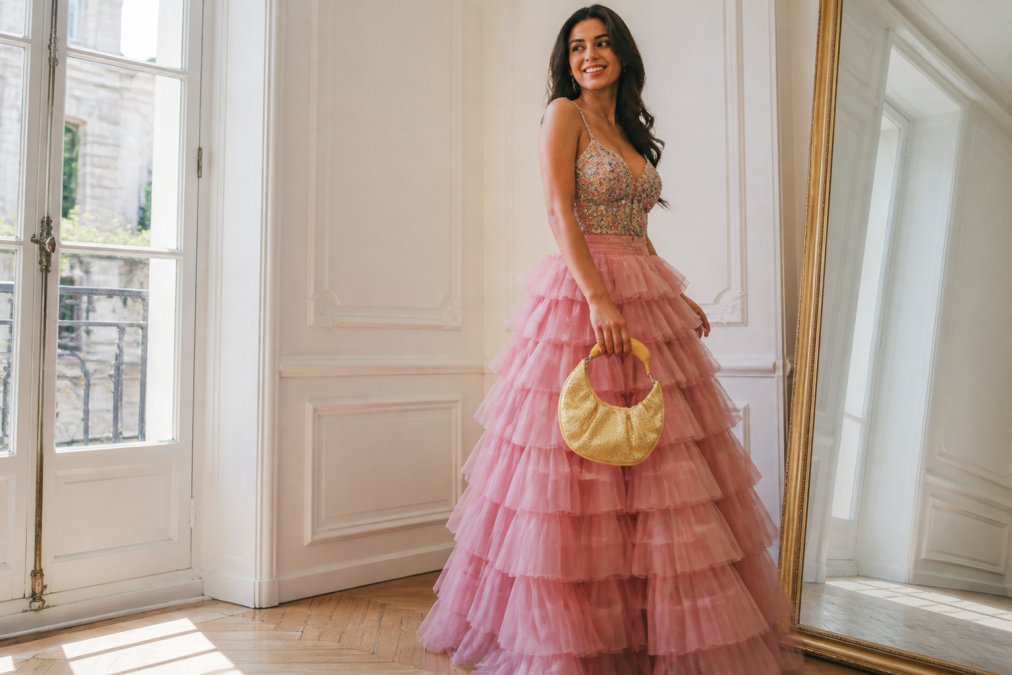
Start with a statement skirt. The Organza Tiered Tutu Skirt from Savoir, at £250, is a genuine wardrobe investment: cascading layers of pink organza from Microwave, Japan, with the kind of movement and depth that no fast-fashion equivalent can replicate. It pairs with a simple fitted top for daywear and transforms completely under evening lighting.

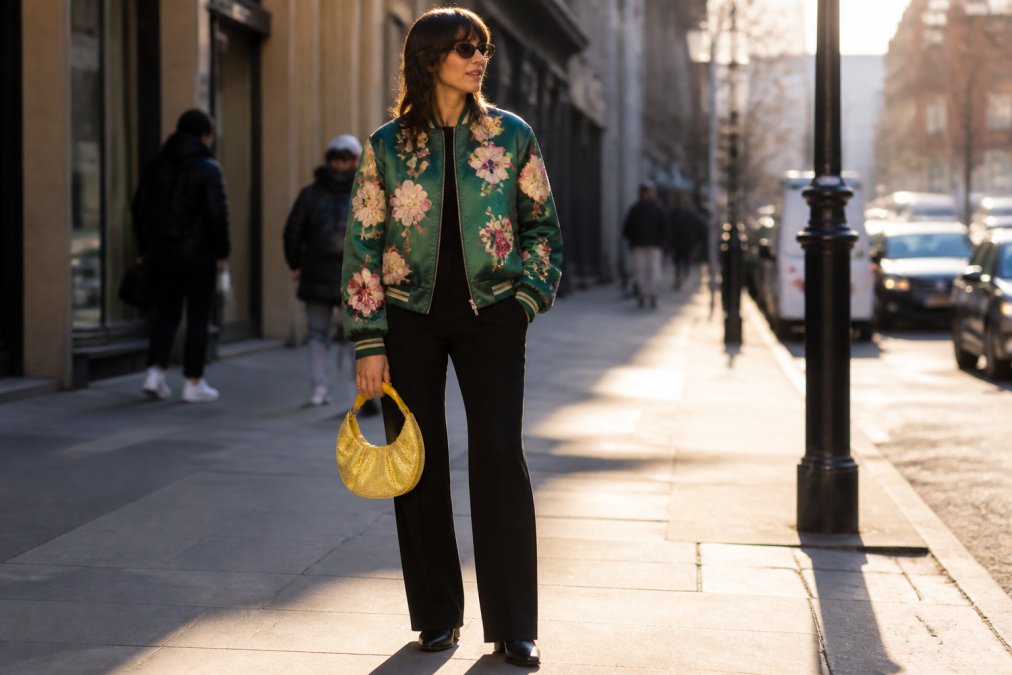
A statement jacket is the second essential. The Camomile Floral Appliqué Bomber Jacket at £590 is the kind of piece that anchors an entire wardrobe season. Satin base, three-dimensional floral appliqué, and an oversized fit that works over everything from a slip dress to tailored trousers. This is a piece designed to be worn forever, not retired after one season.
The third essential is a bag that functions as jewellery. The Rhinestone Banana Bag at £465 does exactly that: crystal-encrusted, sculptural, and instantly transformative over even the simplest outfit.

| Wardrobe Essential | Key Feature | Best Styled With |
|---|---|---|
| Tiered tulle skirt | Volume and movement | Fitted top, block heel |
| Floral appliqué jacket | 3D texture, oversized | Slip dress, straight-leg trousers |
| Embellished mini dress | Brocade, metallic finish | Simple mule, minimal jewellery |
| Rhinestone bag | Sculptural, crystal detail | Any outfit needing a focal point |
Mixing Patterns and Textures Without the Chaos
Mixing patterns and textures is where maximalist fashion trends either soar or collapse. The difference is almost always one decision: scale contrast.
The rule that actually works is this. When mixing two prints, make sure they differ significantly in scale. A large floral with a small geometric. A wide stripe with a fine houndstooth. The eye reads this as intentional rather than accidental because the two patterns occupy different visual frequencies.
According to The Business of Fashion's style guides, the most enduring maximalist looks share a common structure: one dominant element that anchors the outfit, and supporting elements that amplify rather than compete with it.
Texture mixing follows a similar logic. Pair textures that have an obvious relationship: both soft and fluid (satin and silk), both structured and dimensional (brocade and jacquard), or deliberately contrasting (matte velvet against high-shine sequins). Avoid mixing textures that are similar enough to look like a mistake rather than a choice.
A practical framework for mixing patterns and textures:
- Choose your hero piece first (the most embellished, the boldest print, the most dramatic silhouette)
- Build the rest of the outfit in service of that piece
- Introduce a second pattern or texture only if it does not compete with the hero
- Ground the look with one clean, unembellished element (plain shoe, solid base layer)
- Check the overall look in natural light before committing
How to Style Maximalist Outfits for Any Occasion
Styling maximalist outfits for different occasions is less about toning down and more about redirecting. The volume, the texture, and the statement remain. What changes is where you concentrate the drama.
Everyday Maximalism: Bold Without Trying Too Hard
The question of how to style maximalist outfits for everyday settings is one of the most common concerns from new maximalist dressers. The worry is that bold pieces will look costume-y or out of place in ordinary contexts. The fix is simpler than most guides suggest.
Concentrate the maximalism in one zone. A tiered tulle skirt with a plain fitted jumper and clean trainers reads as fashion-forward, not theatrical. A heavily embellished jacket over a white shirt and straight-leg trousers is office-appropriate in most creative environments. The drama is present; the context is controlled.
The other approach that works for everyday maximalism is material substitution. Wear the silhouette of a maximalist piece in a more casual fabric, or wear a maximalist fabric in a more restrained silhouette. Either move keeps the aesthetic while reducing the formality.
Dressing for Events and Celebrations
Events and celebrations are where maximalist fashion trends deliver their full return on investment. This is the context where a piece like the Mini Metallic Brocade Bow Dress at £290 earns its place: intricate brocade, metallic finish, and a bow detail that makes the entire look feel curated and celebratory.
For formal events, the maximalist approach is to choose one extraordinary piece and let everything else be clean. Statement dress, simple shoe, minimal jewellery. The dress does all the work. Adding embellished accessories on top of an already embellished dress is where the look can tip into excess.
For less formal celebrations, layering is your advantage. A sequin skirt, a textured top, a statement jacket worn open. Each element is bold individually; together they create a look that reads as genuinely put-together rather than over-dressed.
Current Maximalist Fashion Trends Shaping the Season
Several specific directions are defining maximalist fashion trends this season, and understanding them helps when building or refreshing a wardrobe.
Brocade and metallic fabrications have moved from eveningwear into daywear. The appetite for pieces that catch the light at any hour reflects a broader shift toward dressing for presence rather than occasion.
Three-dimensional embellishment is everywhere. Floral appliqué, feather trim, crystal detailing, and raised textures are appearing on pieces at every level of the market. What separates the pieces worth buying from the ones to avoid is the quality of the construction: embellishments that are properly secured and dimensionally interesting rather than flat and plasticky.
Tulle and organza continue to dominate. The tiered skirt, the ruffled hem, the layered underskirt worn as an outer layer. These pieces have genuine staying power because they are rooted in craft rather than trend.
Oversized outerwear with surface interest is one of the strongest directions right now. A bomber jacket covered in appliqué flowers, a cocoon coat in a statement brocade, a trench in a bold floral print. These pieces function as the hero of any outfit and make everything underneath them feel more considered.
As noted by Harper's Bazaar fashion editorial, the move toward maximalist dressing reflects a cultural appetite for joy and self-expression that has been building across multiple seasons.
Common Mistakes Maximalist Dressers Make (and How to Avoid Them)
The most common mistake is buying for the hanger rather than the body. Maximalist pieces are designed to move, to catch light, to create presence. A tulle skirt that looks extraordinary in a flat lay needs to be tried on, or at minimum viewed in motion, before committing.
The second mistake is underestimating the power of restraint within maximalism. Maximalist fashion trends do not mean wearing everything at once. The best maximalist dressers are highly selective. They own fewer pieces than you might expect, but each one is extraordinary.
The third mistake is ignoring proportion. A voluminous skirt needs a fitted top. An oversized jacket needs a simplified bottom half. An embellished mini dress needs a clean shoe. Without proportion management, the silhouette becomes indistinct and the overall look loses its impact.
The fourth mistake is buying maximalist pieces that only work with other maximalist pieces. The most versatile investments are statement items that can be anchored by basics. A great sequin skirt should work with a plain white shirt. A bold jacket should work over simple trousers. If a piece only functions within a fully maximalist outfit, its cost-per-wear will always be high.
Finally, a note on longevity. Many shoppers worry that maximalist pieces will feel dated quickly. This is a valid concern when buying trend-led embellishment from fast-fashion sources. The answer is not to avoid maximalism; it is to buy pieces with design integrity rather than trend dependency. A well-constructed floral appliqué jacket or a beautifully layered tulle skirt from a curated source will look as relevant in five years as it does today.
Building a wardrobe around maximalist fashion trends is genuinely difficult when most of the market offers either fast-fashion imitations or inaccessible luxury. Savoir exists precisely to solve that problem: a hand-picked edit of bold textures, standout silhouettes, and statement pieces chosen for their design integrity and lasting visual impact. From the Organza Tiered Tutu Skirt to the Rhinestone Banana Bag, every piece in the collection is selected to earn its place in a wardrobe built for joy. Shop All at Savoir and find the pieces that make getting dressed feel like the best part of the day.
Frequently Asked Questions
What defines the maximalist fashion aesthetic?
Maximalist fashion is built on the principle that more is more. It prioritises bold colour, layered textures, eye-catching silhouettes, and deliberate excess over restraint. Where minimalism strips back, maximalism adds: think tulle, sequins, appliqué, frills, and statement accessories worn together with intention. The aesthetic is not about randomness, it is about curating impact. A well-executed maximalist look feels joyful and considered, not chaotic.
How do I mix patterns and textures for a maximalist look?
Start with a colour anchor, choose one or two colours that appear across each piece, even if the patterns differ. Pair a large-scale print with a smaller one to create contrast without visual noise. Textures work best when they vary in weight: something structured like brocade alongside something fluid like organza, for example. Limit your palette to three colours maximum when mixing multiple patterns. The goal is controlled contrast, not a clash.
Is maximalism replacing quiet luxury in current fashion trends?
The two aesthetics are running in parallel rather than one replacing the other. Quiet luxury dominated conversations around 2023-2024, but maximalist fashion trends have reasserted themselves strongly heading into 2026, particularly among Gen Z and millennial shoppers who want clothes that photograph well and feel celebratory. Maximalism offers something quiet luxury cannot: immediate visual impact and genuine individuality. Both have a place, but bold dressing is clearly having a significant cultural moment.
Can I wear maximalist pieces if my existing wardrobe is mostly minimalist?
Absolutely. One statement piece worn against a simple base is one of the most effective ways to introduce maximalist fashion trends into an existing wardrobe. A rhinestone bag against a plain black outfit, or a tiered organza skirt with a fitted white top, creates high impact without requiring a full wardrobe overhaul. Think of maximalist pieces as the focal point and your basics as the frame. You do not need to dress head-to-toe in bold pieces to achieve the look.
This article was written using GrandRanker